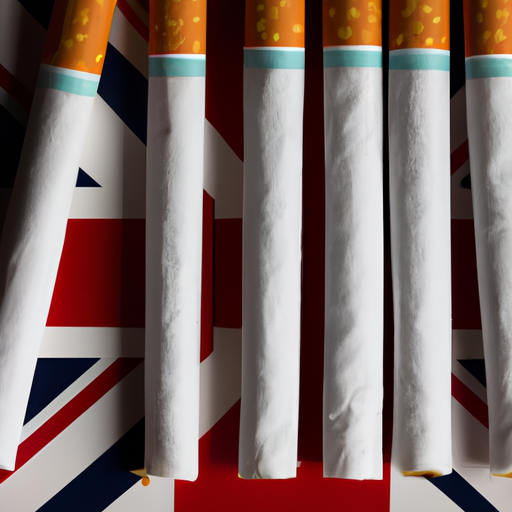
As a non-smoker living in the UK, I have always been curious about the country’s relationship with cigarettes. From the distinctive packaging to the strict laws and ongoing campaigns against smoking, it is clear that the UK has a complicated and troubled history with tobacco.
Cigarettes have been a part of British culture for centuries. In fact, tobacco was first introduced to England in the late 16th century by Sir Walter Raleigh. It quickly became a popular trade product, and by the 19th century, cigarette manufacturing had become a profitable industry.
However, it wasn’t until the 20th century that the harmful effects of smoking were widely recognized. In 1950, the first link between smoking and lung cancer was established, setting off a series of anti-smoking efforts in the UK.
In my experience, one of the most noticeable aspects of the UK’s smoking culture is the packaging. Unlike many other countries, cigarettes in the UK are sold in plain, standardized packaging with graphic health warnings covering 65% of the front and back of the pack. This means that all cigarettes look the same, with just the brand name and variant in plain font. As someone who has grown up seeing colorful and eye-catching cigarette packs in other countries, the plain packaging in the UK is quite striking.
Additionally, the prices of cigarettes in the UK are significantly higher than in other countries. A pack of 20 cigarettes can easily cost around £10 (over 13 USD), due to high taxes imposed on tobacco products as part of the government’s efforts to discourage smoking. As a result, smoking is often seen as an expensive habit, and many smokers in the UK have mentioned that the high prices are a motivating factor for wanting to quit.
While the packaging and prices of cigarettes may dissuade some people from smoking, it is clear that there are still a significant number of smokers in the UK. According to a 2020 report by the Office for National Statistics, around 14.1% of adults in the UK smoke, with a higher prevalence among men (16.2%) compared to women (12.2 %). This number has been declining over the years, but there are still millions of people who continue to smoke in the UK.
One of the reasons for this could be the ease of access to cigarettes in the country. In most cities and towns, there are numerous shops and convenience stores that sell tobacco products. Unlike some other countries where cigarettes are only sold in specific stores, in the UK, they are available almost everywhere. This easy access, combined with the addictive nature of cigarettes, can make it challenging for smokers to abstain from purchasing them.
Another aspect of the UK’s smoking culture that I find quite interesting is the role of the government and the National Health Service (NHS) in supporting smokers who want to quit. The NHS offers various smoking cessation services, such as nicotine replacement therapy and behavioral support, to help smokers kick the habit. Additionally, the government has introduced measures such as the ban on smoking in public places and advertising restrictions to reduce exposure to tobacco and discourage young people from starting smoking.
However, despite these efforts, smoking remains a significant health issue in the UK. The British Medical Association has estimated that smoking-related diseases cause over 100,000 deaths in the UK each year. This not only affects the health of individuals but also has a significant economic impact on the country’s healthcare system.
Moreover, the tobacco industry in the UK continues to thrive, with companies making billions in profits each year. It is a stark contrast to the numerous anti-smoking campaigns and initiatives in the country, highlighting the ongoing battle against the influence of the tobacco industry.
As someone who has never smoked, I cannot fully understand the appeal of cigarettes. But after living in the UK for some time, I have come to realize that smoking is often seen as a social activity, with many people bonding over shared cigarettes. It is also used as a coping mechanism for stress and anxiety, with some smokers admitting they find it difficult to quit because they rely on cigarettes to relax and unwind.
In conclusion, the UK’s relationship with cigarettes is complex, with a history spanning centuries. The plain packaging, high prices, ease of access, and government efforts demonstrate the ongoing struggle against smoking. While there has been progress in reducing the number of smokers, it remains a prevalent issue with significant consequences for both individuals and society as a whole. Only time will tell if the UK will eventually become a smoke-free nation, but for now, cigarettes remain a significant part of British culture.