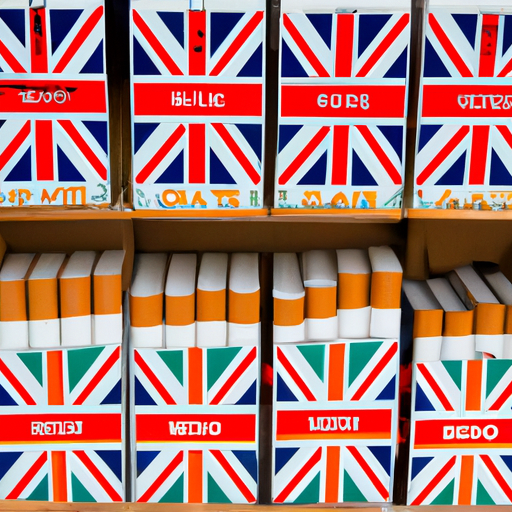
As a smoker living in the United Kingdom, I have witnessed first-hand the impact of cigarettes on both myself and those around me. In a country where smoking rates have gradually declined over the years, cigarettes still continue to hold a significant presence. Despite the well-known health risks and stricter regulations, cigarettes are a part of British culture that cannot be ignored.
Growing up, cigarettes were a familiar sight in my household. Both of my parents were smokers, and I remember the smell of cigarettes lingering in the air and their constant need to step out for a smoke break. Like many others, I was exposed to cigarettes at a young age, and it was seen as a normal part of life. While I was aware of the potential dangers, it wasn’t until I started smoking myself that I truly understood the hold cigarettes can have on a person.
In the UK, cigarettes are easily accessible and are sold in various forms including traditional cigarettes, roll-ups, and e-cigarettes. According to the Office for National Statistics, in 2020, around 15.5% of adults aged 18 and above in the UK were current smokers. This number may seem small, but it translates to approximately 6.9 million smokers in the country.
One of the main reasons cigarettes continue to be popular in the UK is their affordability. A packet of 20 cigarettes can cost anywhere from £9 to £13, depending on the brand and location. This may seem expensive, but it is still reasonably affordable for many, especially when compared to countries like Australia and New Zealand, where a pack of cigarettes can cost upwards of £20.
In addition to being affordable, cigarettes are also heavily marketed and glamorized in the UK. Through clever marketing tactics, cigarettes are made to seem attractive, glamorous, and even rebellious. This is particularly evident in the advertisements and packaging for menthol and flavored cigarettes, which have been banned in the UK since May 2020. These cigarettes were marketed as being “cool” and “refreshing”, appealing to a younger demographic.
However, despite the glamorization, cigarettes have a dark side that cannot be ignored. Smoking is the leading cause of preventable death in the UK, with over 74,000 deaths attributed to smoking-related illnesses each year. It not only affects the smoker but also those around them through second and third-hand smoke. This is why smoking restrictions and regulations have become more prevalent in recent years.
In the UK, smoking indoors in public places, such as restaurants, bars, and workplaces, has been banned since 2007. This has led to a significant decrease in exposure to second-hand smoke, making public spaces more bearable for non-smokers. However, smoking is still allowed in outdoor spaces, which can be problematic for those who are sensitive to smoke. It is also worth noting that smoking in private residences, including one’s own home, is still legal, which can make it difficult for non-smokers living with smokers.
Another issue that comes with smoking in the UK is the lack of proper disposal of cigarette butts. Despite there being clear regulations against littering, cigarette butts are one of the most common forms of litter in the country. This not only affects the aesthetics of the environment but also poses a threat to wildlife and the environment itself. Cigarette filters are made of plastic and do not biodegrade, causing harm to animals who mistake them for food.
It is also important to acknowledge the impact of smoking on the healthcare system in the UK. As smoking-related illnesses continue to be one of the leading causes of death, it puts a strain on the already overwhelmed healthcare system. The cost of treating smoking-related illnesses is estimated to be around £12 billion a year. This not only affects the smokers themselves but also taxpayers who bear the burden.
Despite all the negative consequences, quitting cigarettes can be incredibly difficult. As someone who has tried to quit multiple times, I can attest to the addictive nature of cigarettes. The nicotine in cigarettes is highly addictive, and it can be challenging to break the cycle of dependence. In the UK, there are various resources and treatments available for those looking to quit, including nicotine replacement therapy, prescription medication, and support groups.
Despite all the challenges, there has been a steady decline in smoking rates in the UK over the years. This is partly due to stricter regulations, increased awareness about the dangers of smoking, and the popularity of vaping as an alternative. However, cigarettes still hold a strong presence in British culture, and it is unlikely that they will completely disappear anytime soon.
As a smoker, I am well aware of the health risks and negative impact of cigarettes not only on my own life but also on those around me. However, the allure of cigarettes, the nicotine addiction, and the cultural acceptance of smoking make it difficult to quit. It is a daily battle between my rational self and the smoker’s mindset, making it a constant struggle.
In conclusion, cigarettes are ingrained in British culture, despite their negative effects. The affordability, marketing tactics, and addictive nature of cigarettes make it difficult to eradicate completely. However, it is important to continue raising awareness about the dangers of smoking and providing resources for those looking to quit. Only then can we hope for a future where cigarettes are no longer a prevalent part of British society.